The hidden psychological impacts of gambling revealed
The hidden psychological impacts of gambling revealed
The allure of gambling and its psychological grip
The world of gambling is often portrayed as a realm of thrill and excitement. The immediate rush of winning can create an intoxicating sensation that draws individuals into a cycle of behavior that is difficult to escape. This allure is not merely about the potential for financial gain; it taps into deeper psychological needs, including the desire for risk, social validation, and even escapism from daily stresses. These elements, alongside the prevalence of gambling websites, contribute significantly to the appeal of gambling.

Moreover, many gamblers are often unaware of the subtle psychological influences that drive their behavior. The brain’s reward system plays a crucial role in reinforcing these patterns, making the experience of winning an almost euphoric state. Over time, this can lead to a dependency on gambling as a source of emotional relief, despite the often negative consequences.
The role of cognitive biases in gambling behavior
Cognitive biases significantly affect how gamblers perceive their chances of winning. For instance, the illusion of control can lead individuals to believe they can influence outcomes, even in games of chance. This erroneous belief can result in repeated betting, as players convince themselves that they are strategizing rather than merely participating in random events.
Additionally, the gambler’s fallacy can come into play, where individuals mistakenly believe that past outcomes will influence future results. This flawed reasoning can lead to increased bets after a losing streak, as players feel “due” for a win. Understanding these cognitive biases is essential for recognizing the psychological traps that gambling can create.
The social environment and its impact on gambling behavior
The social context of gambling can amplify its effects, as cultural norms and peer pressure often encourage participation. In many societies, gambling is not only accepted but celebrated, influencing individuals to take part even if they do not fully understand the risks involved. This social reinforcement can create a sense of belonging, making it harder for individuals to withdraw from gambling activities.
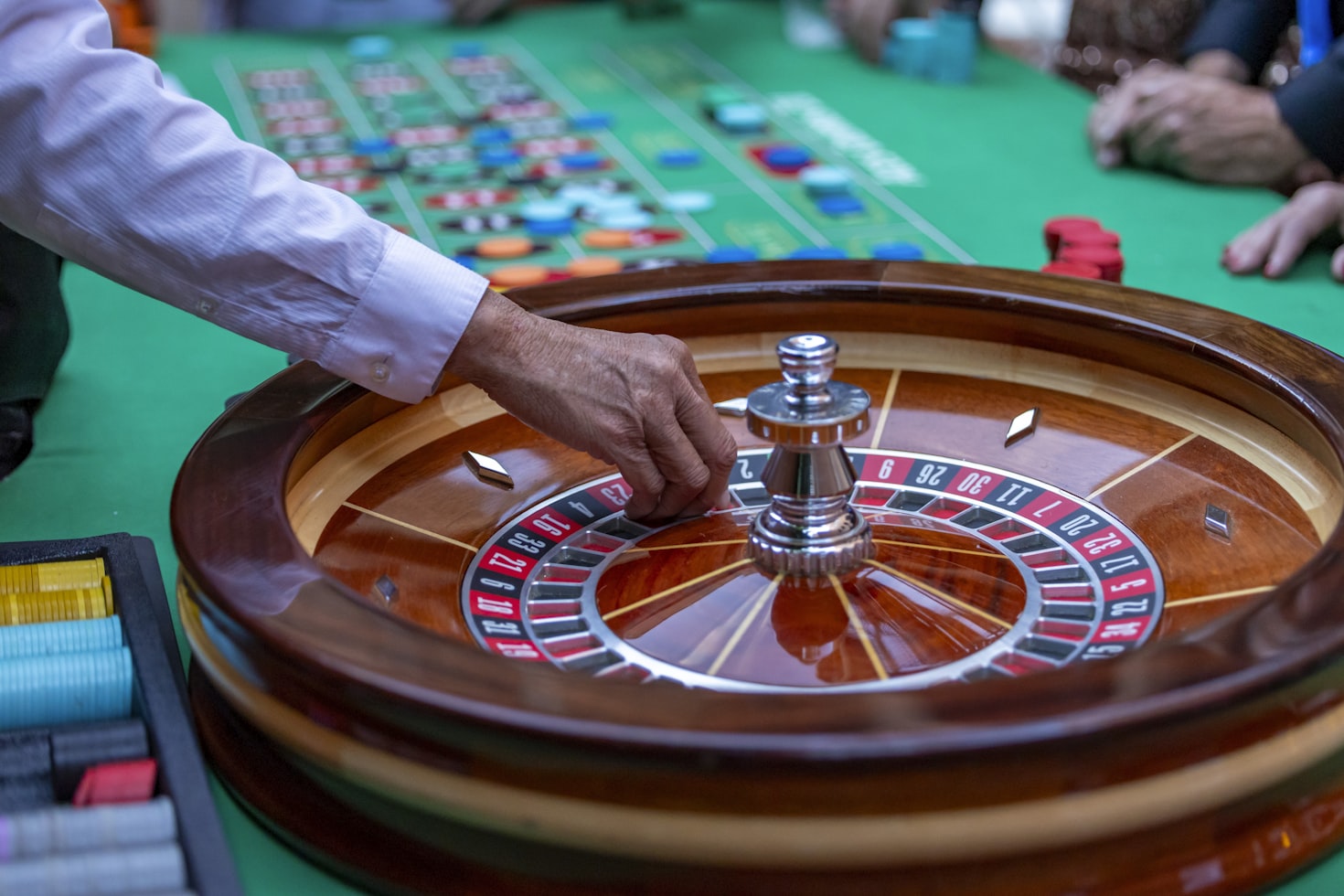
Additionally, social environments such as casinos are designed to stimulate and encourage continued play. With loud noises, flashing lights, and social interactions, these settings can lead to an immersive experience that heightens emotional responses, further entrenching individuals in the gambling cycle.
The emotional toll of gambling addiction
Gambling addiction can have profound emotional consequences, affecting not only the individual but also their family and social relationships. Many who struggle with gambling addiction report feelings of guilt, shame, and isolation as they try to hide their behaviors. This emotional turmoil can lead to significant distress, further fueling the cycle of gambling as a form of escapism.
Additionally, the repercussions of gambling can lead to severe financial strain, which often exacerbates feelings of anxiety and depression. The struggle to manage debts and financial obligations can contribute to a negative feedback loop, where the individual resorts to gambling in hopes of recovering losses, only to face deeper emotional and financial challenges.
About the website
This website serves as an informative platform dedicated to raising awareness about the gambling industry and its psychological impacts. By providing insights and news updates, it aims to educate users about the potential risks associated with gambling while promoting a safe and secure environment for discussion and exploration of this complex topic.
Though access may be restricted due to security measures, the site is committed to protecting users from online threats while delivering valuable information. It encourages visitors to stay informed and to seek help if they or someone they know is struggling with gambling-related issues.